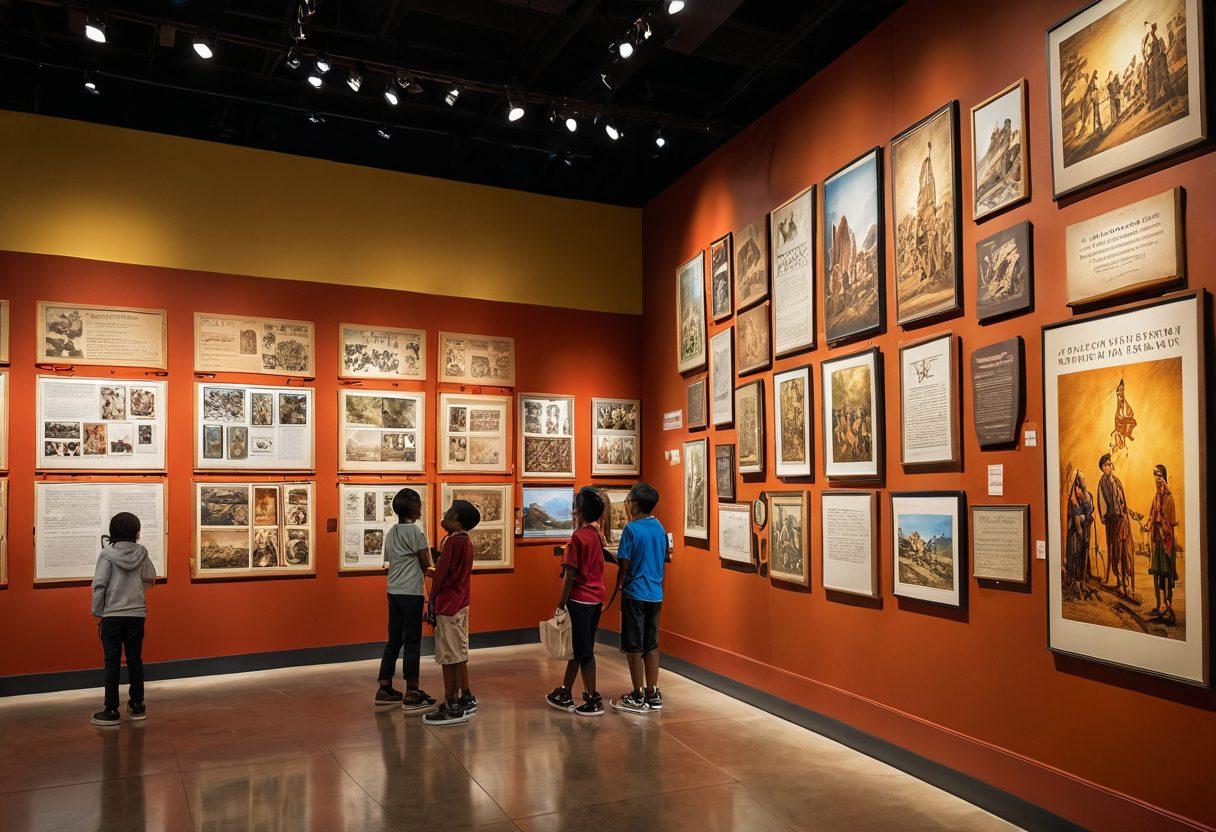
Exploring the Heart of Culture: How Museums Preserve Our Heritage Through Innovative Exhibits and Educational Programs
Imagine stepping into a space where history comes alive, where the stories of our ancestors echo through time, and where art isn't just seen but felt. Museums have always served as the custodians of our collective memory, but today, they are transforming into vibrant cultural hubs that engage, educate, and inspire. Innovative exhibits are not just about displaying collections; they are about creating experiences that resonate with both the heart and the mind. How do these cultural institutions manage to make heritage preservation a thrilling adventure for visitors of all ages? Let's explore the future of heritage through the lens of innovation in museum exhibits.
Gone are the days when museums existed solely as repositories of dusty artifacts. Today, they harness cutting-edge technology to breathe new life into their historical collections. Consider the rise of interactive exhibits, where virtual reality transports visitors into ancient civilizations or enables them to interact with cultural artifacts in ways previously unimaginable. It's like stepping into a time machine! As a visitor, you get to manipulate the past and engage with history in real-time—what could be more exciting than that? How often do you get to hold a piece of history right in your hands?
Of course, the innovation in museum exhibits goes beyond high-tech solutions. Curated exhibits are being created with intentionality, blending art with cultural documentation to craft narratives that highlight the diversity of human experience. These museum exhibits invite visitors to rediscover the world around them and challenge preconceived notions. With meticulously planned public programs, our museums now foster community engagement, allowing local voices to shape the narrative. After all, isn’t it time we let our diverse heritages have their moment in the spotlight?
As we navigate this brave new world of heritage education, it's essential to remember that the role of museums transcends mere display collections. They are arenas for dialogue, where visitors can interact with archival resources and engage in thoughtful discussions about identity, culture, and preservation. Museum publications offer valuable insights and documentation that enrich the experience. They serve as guides for museum tours and enhance visitor resources, ensuring that every participant feels included and informed. What greater gift can we give to future generations than a renewed appreciation for our shared history?
The future of cultural institutions lies in their ability to adapt and innovate while remaining true to their mission of heritage preservation. As they embrace new paradigms in education, they highlight the importance of preserving artifacts conservation while still inspiring curiosity and wonder. Whether through immersive story-telling, artistic collaborations, or daring new educational programs, museums are champions of culture in every sense. The next time you step into a museum, remember—you're not just a visitor, but a participant in an ongoing saga of human creativity and resilience. What memories will you create on your next visit?
Engaging Minds: The Role of Educational Programs in Cultural Preservation
Imagine walking into a museum, where every corner tells a story and every exhibit whispers secrets of the past. This is not just a mere collection of artifacts; it is a vibrant tapestry of culture woven together through art, historical collections, and community engagement. Museums are often our first exposure to the rich history of humanity, serving as cultural institutions that preserve our heritage and inspire future generations. At the heart of these endeavors lie educational programs that engage minds, ignite curiosity, and ensure that the stories behind cultural artifacts are not lost to time.
Educational programs play a pivotal role in heritage preservation. They transform static museum exhibits into dynamic learning experiences. Consider this: when a child participates in a museum tour, they are not just looking at display collections; they are becoming part of a larger narrative. They may explore interactive exhibits that encourage them to think critically or participate in workshops that delve into the techniques of artifacts conservation. These hands-on experiences create lasting connections and foster a deeper appreciation of cultural documentation and heritage education.
"Education is the most powerful weapon which you can use to change the world," said Nelson Mandela, and this sentiment resonates deeply within museum walls. Through public programs, museums invite people from all walks of life to explore and learn from curated exhibits. Imagine a local artist sharing their insights during a talk, or an archaeologist unveiling the stories behind ancient relics. These programs not only enrich visitor resources but also encourage a broader understanding of the historical contexts of what we see displayed, making cultural history accessible to everyone.
The impact of educational programs extends beyond the walls of museums. Community engagement initiatives create bridges between cultural institutions and the people they serve. Take, for example, outreach programs that bring museum publications and archival resources directly into schools and neighborhoods. These efforts help demystify museums, encouraging more individuals to visit, either for their benefit or for the sake of fostering future generations. The real magic happens when students leave with their imaginations ignited, ready to explore the world of art and history further.
As we reflect on the vital role of educational programs in museums, one must ask: How can we each contribute to the preservation of our cultural heritage? Whether through volunteering, participating in museum tours, or advocating for art and history in our communities, every action counts. By actively engaging with our cultural institutions, we not only champion heritage preservation but also enrich our own lives and the lives of those around us. So the next time you step into a museum, remember that you hold the key to keeping those stories alive.
From Artifacts to Experiences: How Museums Foster Community Connections Through Curated Displays
Imagine stepping into a world where antiquity meets modern creativity, where stories are not merely told but experienced. This is the magic of museums. These cultural institutions don’t just house artifacts; they breathe life into them. Every curated exhibit, every interactive display collection, is a bridge connecting us to our heritage, offering a glimpse into the lives that came before us. The question arises, how do these museums transform cold, historical collections into vibrant community connections?
Museums are no longer silent repositories of the past; they have evolved into dynamic spaces that foster community engagement. Through innovative educational programs and museum tours, they invite visitors of all ages to explore art and cultural artifacts in a way that is personal and profound. Have you ever left a museum feeling a sense of belonging, as if the stories of your ancestors were echoing through the halls? This is the result of meticulous curation and dedicated heritage preservation efforts that turn dusty relics into powerful narratives—a testament to our collective identities.
Let's take a closer look at how curated exhibits can evoke such feelings. Imagine walking through an interactive exhibit that brings historical collections to life, where you can touch a replica of a centuries-old artifact or listen to the voices of people from a bygone era through multimedia displays. These immersive experiences not only engage visitors but also ignite curiosity and ignite a passion for learning. As the renowned museum curator John Anderson once said, "Art is not a thing; it's a way." By transforming passive viewing into active participation, museums become catalysts for heritage education and cultural documentation.
But the journey doesn’t end with the exhibits. Museums go above and beyond with their public programs and visitor resources, ensuring the community remains engaged long after the last tour ends. They often host workshops, lectures, and art classes that encourage local artists and historians to share their insights, enriching the community’s cultural tapestry. This is a powerful reminder that museums are not just vaults of the past; they are also laboratories for understanding the present and shaping the future. How can you get involved? Perhaps attend a local workshop or explore museum publications to deepen your appreciation.
As we navigate the balance between modernization and tradition in heritage preservation, it is essential to remember the role we all play in this journey. Visit your local museum, participate in public programs, and encourage conversations about the displayed collections. Every visit is an opportunity for connection, every artifact a lesson, and every innovative exhibit a chance to celebrate our shared human experience. So, what will you discover on your next museum tour? The beauty of culture awaits you!